Why Window Style Shapes the Whole Home
Before you choose a kitchen layout or pick a paint colour, take a moment to look at the windows. They’re not just there to let light in — they define how every space feels. From the view in your favourite chair to the light that falls across your hallway in the morning, glazing plays a silent but powerful role in shaping daily life. Yet too often, window style gets treated as an afterthought. Many assume modern double glazing styles are bulky, standardised, or strictly functional — a performance-first feature with little room for visual expression. But that couldn’t be further from the truth.
Today’s glazing systems are architectural tools. They can lighten the entire feel of a room with slimmer sightlines. Sharpen a contemporary design with barely-there frames. They can honour the soul of a period property with heritage detailing that doesn’t compromise on performance.
In this guide, we’ll explore the most compelling modern glazing styles for UK homeowners — from ultra-slim aluminium to steel-look classics and flush casement alternatives. Whether you’re restoring, extending, or reimagining your home, the right glazing won’t just improve comfort. It’ll change everything you see.
Understanding Sightlines: What They Are, Why They Matter
Sightlines are the parts of a window or door frame that you can see — the vertical and horizontal bars that separate panes of glass. It’s a simple term, but it has a profound effect on how your home looks and feels. The slimmer the sightlines, the less visual interruption between you and the view.
Think of it this way: if your frame takes up 70mm across the centre, it cuts into your landscape. It shrinks the garden. It pulls the walls in. Now imagine reducing that to 20mm — or in some cases, less. Suddenly, the window disappears, and what you see is space, not structure.
Slimmer sightlines also mean more natural light. Light that spreads further. Light that makes spaces feel larger, airier, and more welcoming. And they create cleaner lines — a hallmark of both modern and heritage design.
You don’t have to be an architect to feel the impact. If you’ve ever looked at a room and thought it felt darker, smaller, or oddly blocked — it might not be the space that’s wrong. It might be the frames in the way.
Choosing the right sightlines isn’t about millimetres on a datasheet. It’s about how your home feels when you walk in. And in most cases, slimmer is smarter.
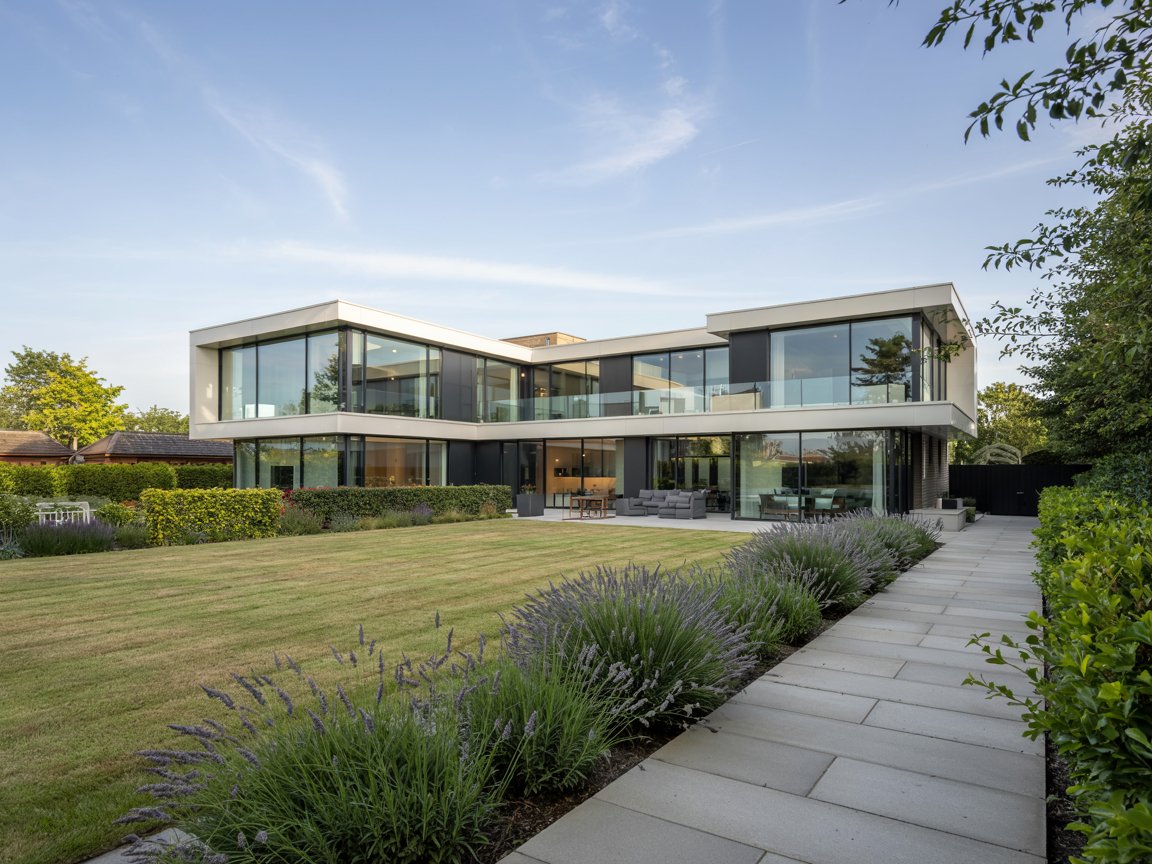
Steel-Look Glazing: Character, Contrast, and Timelessness
Some glazing styles don’t just complement a space — they define it. Steel-look glazing is one of those styles. Inspired by classic industrial design, it brings a confident sense of structure to both period homes and contemporary extensions. And thanks to modern aluminium systems, you can now achieve the look without compromising on energy efficiency or maintenance.
Characterised by slim, grid-like sightlines, steel-look windows and doors often feature matte black, bronze, or graphite finishes. The frames are minimalist yet expressive — a visual rhythm that adds depth to façades and interiors alike. It’s a style that’s equally at home in a converted barn, a Georgian townhouse, or a bold, modern kitchen extension.
What makes the steel-look so versatile is its ability to create contrast. In traditional homes, it offers a crisp, architectural edge. In newer spaces, it adds texture and weight. And when paired with heritage brickwork, timber floors, or microcement, it feels effortlessly balanced.
Best of all, today’s steel-look systems are crafted from thermally broken aluminium, meaning they offer excellent thermal performance and security — without the cost or upkeep of actual steel.
If you want glazing that doesn’t just sit in the background but becomes part of the story, steel-look is a style that speaks volumes.
Barely-There Beauty: Ultra-Slim and Frameless Systems
There’s a moment when good design becomes invisible — when it steps aside and lets the architecture speak. That’s the beauty of ultra-slim and frameless glazing. It’s not about what you see. It’s about what you don’t.
Modern aluminium systems now offer interlocks as slim as 20mm, allowing walls of glass to meet with almost no visible framing. Fixed panels can be embedded into walls, ceilings, and floors so seamlessly that you’d be forgiven for wondering how the glass is even supported. And with structural glazing, entire corners can vanish, leaving open views that flood the room with light.
This style works especially well in contemporary spaces. Think: open-plan kitchen-diners, garden-facing lounges, or minimalist extensions that blur the line between inside and out. It’s about flow. Breathing room. It’s about connecting spaces with light, not structure.
But ultra-slim doesn’t mean delicate. Behind the scenes, these systems are engineered for strength, security, and energy performance. Hidden drainage, high-spec seals, and thermal breaks ensure that minimalism doesn’t come at the cost of comfort.
For homeowners seeking clean lines, unobstructed views, and that quiet sense of spaciousness, frameless glazing is more than a design choice — it’s a feeling.
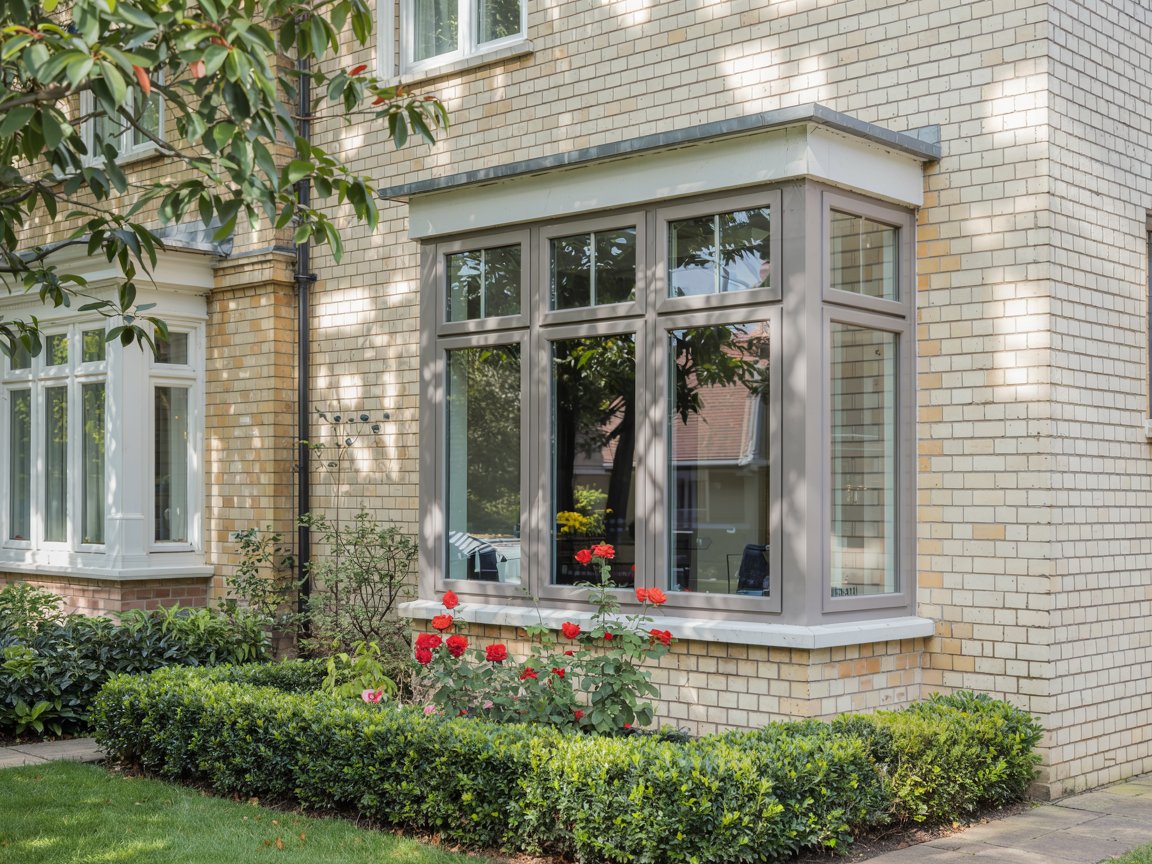
Glazing with a Past: Heritage Styles for Period Homes
Not every home suits contemporary glazing — and that’s exactly where heritage styles shine. Whether you live in a Georgian townhouse, a Victorian terrace, or a countryside cottage, the right glazing can respect your home’s original charm while quietly upgrading its performance.
Modern heritage glazing isn’t about imitation. It’s about balance — retaining the look and proportion of traditional joinery, while bringing in 21st-century efficiency. Flush casement windows, for example, sit in line with the frame just like traditional timber sashes. They feature slimmer profiles, deep shadow lines, and mechanical joints that echo handcrafted details.
Colour plays a role too. Soft neutrals like pebble grey, heritage green, and cream blend beautifully with stone, brick, or render. Monkey tail handles and period-style hardware add subtle depth. And where glazing bars are needed, modern systems can replicate fine detailing without affecting thermal performance.
Importantly, these styles often meet the criteria for use in conservation areas or on listed buildings — especially when specified with timber-alternative or aluminium systems designed to mimic original sightlines.
If your home has history, don’t feel forced into bulky or out-of-place replacements. The right glazing will honour its character — and quietly make it warmer, quieter, and easier to live in.
Big Glass, No Bulk: Large-Format Glazing with Slimline Style
For homes that crave space, light, and a connection to the outdoors, large-format glazing is transformative. But bigger glass doesn’t have to mean chunky frames or industrial profiles. Thanks to advances in modern systems, you can now enjoy expansive views with the same refined elegance as smaller windows.
Fixed panels stretching two or even three metres high are now possible with ultra-slim aluminium frames. Minimalist sliding doors offer central interlocks as narrow as 20mm — letting the garden or landscape feel like an uninterrupted extension of the room. And in more ambitious designs, entire elevations can become transparent, wrapping corners or opening fully onto a terrace.
What sets these systems apart is their proportion. They don’t overwhelm the architecture. They sit lightly within it, drawing the eye outward and letting natural light shape the interior. Floor-to-ceiling glass elongates rooms. Wide openings dissolve the barrier between zones. And even static panels can feel like a moving part of the space.
Behind the beauty is strength. These units are built to handle wind load, weatherproofing, and thermal regulation — often achieving U-values that meet or exceed Part L requirements. Optional triple glazing and acoustic upgrades make them as practical as they are striking.
If you’re planning an extension, reworking a rear elevation, or simply dreaming of bigger views, large-format glazing gives you drama without the visual weight.
Performance Behind the Aesthetics: Style That Works Harder
It’s easy to fall in love with the look of slim frames and expansive glass — but great design doesn’t stop at aesthetics. The best modern glazing systems are engineered to work as hard as they look good, combining beauty with serious technical performance.
Thermal efficiency is a given in today’s premium systems. With features like low-emissivity coatings, argon gas-filled units, and thermally broken frames, many slimline and heritage designs now meet or exceed Part L requirements. That means warmer winters, lower bills, and fewer cold spots near the glass — even with wide openings or large fixed panels.
Acoustic insulation matters too. Whether you live on a busy street or just value peace and quiet, modern double glazing can significantly reduce external noise. Options like laminated acoustic glass and compression seals ensure your home stays calm inside, no matter what’s happening out there.
Security is built in as standard. Multi-point locking, reinforced frames, and PAS 24 compliance mean you don’t have to choose between style and safety. Even the most minimal profiles are designed to resist forced entry and provide long-term durability.
And finally, maintenance. Gone are the days of rotting frames or yellowed uPVC. Today’s systems are built for longevity — powder-coated finishes, durable seals, and fade-resistant colours keep them looking sharp for decades.
So while slim glazing may look light and minimal, it carries real weight in performance — quietly supporting the comfort, safety, and sustainability of your home.

How to Choose the Right Style for Your Home
With so many glazing styles available, the real challenge isn’t finding something you like — it’s choosing what’s right for your space, your architecture, and your way of living. The good news? You don’t have to figure it out alone.
Start with your home’s character. Is it period or contemporary? Does it call for timeless detailing, or something bold and minimal? Steel-look frames work beautifully in both settings, offering contrast and structure. Flush casements and heritage profiles bring warmth and integrity to older homes. Ultra-slim systems and frameless panels suit open-plan designs where light and flow take priority.
Then think about how you live. Is the space used for entertaining? Rest? Work? A garden-facing kitchen might benefit from large sliders or fixed glass to draw in light and views. A front-facing bedroom might call for acoustic glazing and deeper frames for privacy and peace.
Materials matter, too. Aluminium offers clean lines, slim profiles, and longevity. Timber-alternative systems provide heritage looks with low maintenance. And colour can shift the whole tone of a space — from warm neutrals to deep modern greys or even bold bronze tones.
Bringing in moodboards, floorplans, or inspiration images can help start the conversation. Whether you’re planning a full renovation or just upgrading a few key windows, the right glazing doesn’t just fit the opening — it fits the way you live.
Call 01295 270938 or email [email protected] to explore what’s possible — or visit our showroom to see the styles in person.
