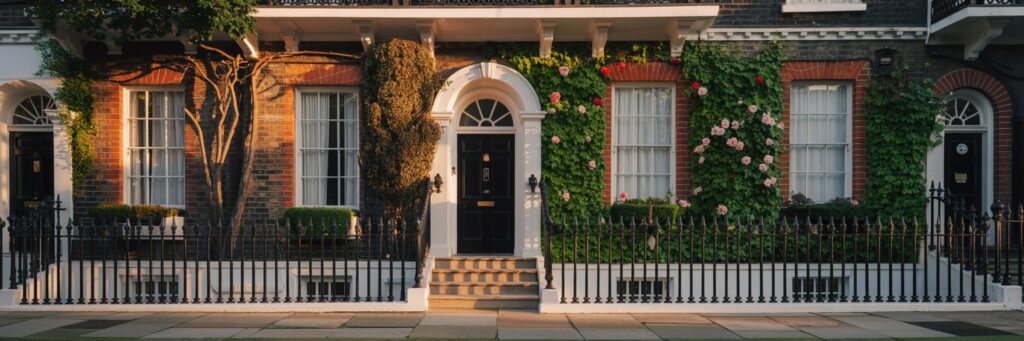
Renovating a heritage property in the UK is never just about upgrading. It’s about protecting history while introducing comfort and efficiency for modern living. Windows sit at the centre of that challenge.
From Georgian sashes to steel-framed Art Deco glazing, they define a property’s character. But they must also comply with building regulations, planning permissions, and conservation requirements. This guide cuts through the complexity, showing you how to meet compliance in 2025 while creating a home that feels authentic, comfortable, and future-ready.
1. Quick Answer — Heritage Compliance, Simply Explained
Heritage window compliance in the UK is about one thing: preserving the past while protecting the future.
If you own a listed property, live in a conservation area, or are renovating a period home, your windows aren’t just glass and frames — they’re part of the building’s identity. That means every change must respect history while subtly meeting modern expectations.
In practice, compliance means windows that maintain original proportions, profiles, and detailing, while incorporating discreet performance upgrades. Done right, it safeguards your home’s character and ensures your renovation is legally and aesthetically approved.
2. Why Heritage Homes Need Special Treatment
Windows aren’t just functional in heritage homes — they’re storytelling devices. A Georgian sash, a Victorian casement, or an Art Deco steel frame carries the fingerprint of its era.
Replacing them with off-the-shelf units risks stripping away the very soul of the property. Heritage compliance ensures those defining details — the sightlines, glazing bars, horn shapes, and putty lines — remain true to the original.
For renovators, this means approaching windows not as generic upgrades, but as critical design elements that protect the historic character while setting the stage for long-term comfort and performance.
3. The Rulebook You Need to Know in 2025
Heritage window compliance in the UK is shaped by a mix of national regulation and local interpretation. Here’s what matters most:
- Listed Building Consent → Any alteration to a listed home requires official approval, even if you’re “just” replacing windows.
- Conservation Area Permissions → Tighter planning controls apply, especially for façades visible from the street.
- Building Regulations Part L (with heritage exemptions) → While efficiency targets flex for historic properties, you’re still expected to upgrade performance where possible.
- Local authority oversight → Each council applies these rules differently, making early dialogue with planners — or a specialist installer — essential.
In short: compliance isn’t optional. It’s the framework that keeps your renovation legally sound, visually authentic, and energy-conscious.
4. Compliant Window Options for Heritage Homes
The good news? Compliance doesn’t mean compromise. Today’s window solutions allow you to respect history while quietly boosting performance.
- Slimline double glazing → Ultra-thin units that mimic single panes while improving insulation.
- Bespoke timber sash or casement replicas → Hand-crafted frames that replicate every detail of the original.
- Steel heritage systems (Aluco, Secco Sistemi) → Perfect for Art Deco, industrial, or luxury modern settings where slim sightlines matter.
- Secondary glazing → A discreet option where the original windows must legally remain untouched, providing efficiency without altering appearance.
Each option bridges tradition and innovation — ensuring your renovation passes inspection while elevating everyday living.
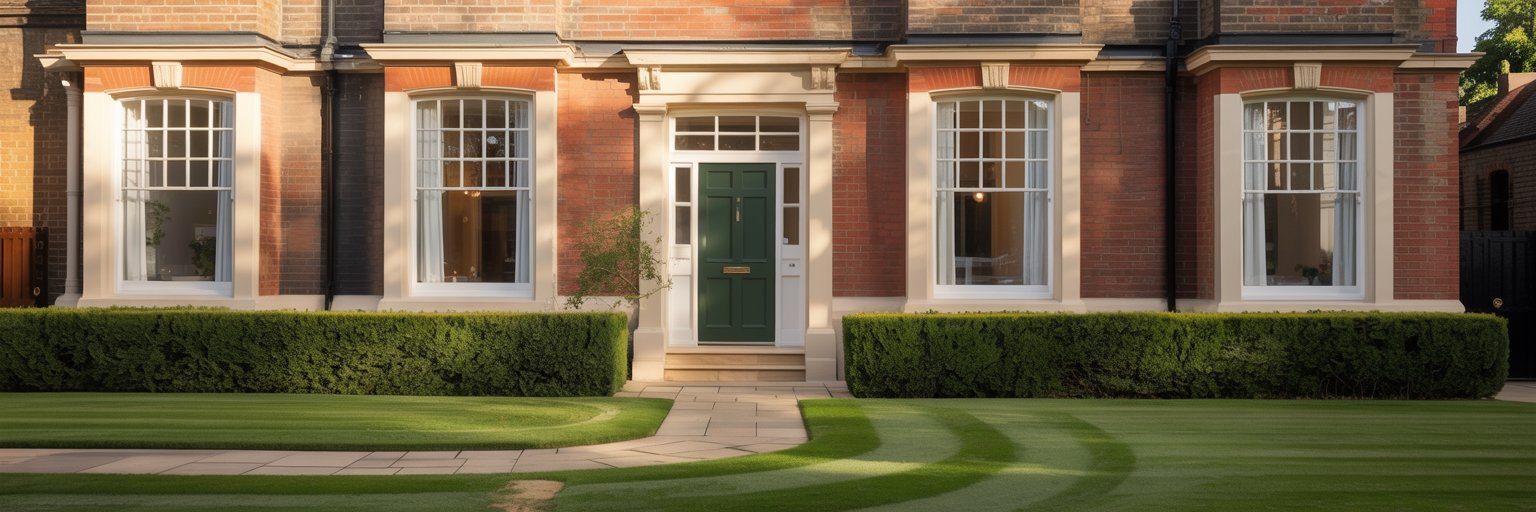
5. The Balancing Act — Efficiency vs Authenticity
The central challenge in heritage compliance? Blending 18th-century elegance with 21st-century performance.
Homeowners often worry that upgrading means losing authenticity, but the best solutions make performance invisible.
- Low-E coatings applied to slim glass that look period-correct.
- Warm-edge spacers hidden inside replica glazing bars.
- Hybrid timber-aluminium frames engineered with historic profiles that fool even the trained eye.
The art lies in striking a balance: windows that satisfy planning officers, deliver genuine comfort, and still honour the original fabric of the home.
6. Pitfalls That Derail Heritage Projects
Even well-intentioned renovators can fall foul of heritage compliance. The most common mistakes include:
- PVC replacements → Often cheaper, but nearly always rejected in listed and conservation contexts.
- Skipping consent → Making changes without approval risks enforcement action, fines, and forced removal.
- Overlooking detailing → Planners notice glazing bar widths, horn shapes, and even the depth of putty lines.
- Assuming exemptions = free pass → Heritage buildings get flexibility on energy standards, but efficiency is still expected.
Avoiding these pitfalls saves time, money, and credibility. In heritage projects, the smallest details carry the greatest weight.
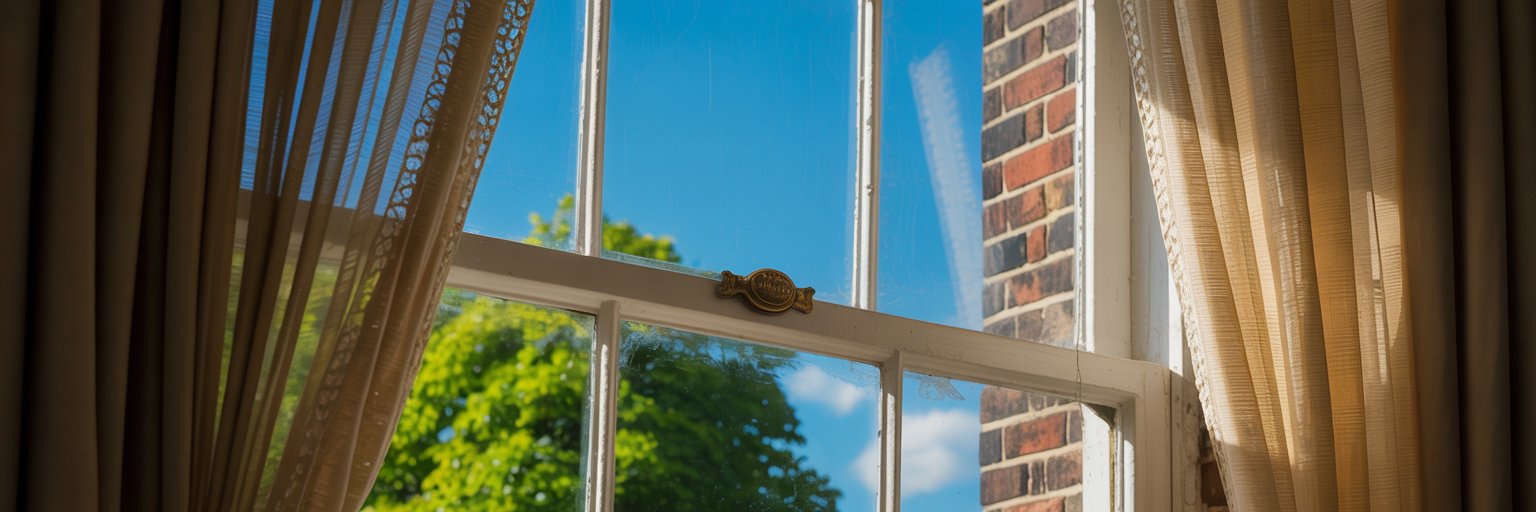
7. Why Brand and Craftsmanship Decide Success
Heritage compliance isn’t a job for mass-market suppliers. It demands precision, craftsmanship, and a deep respect for history.
- Steel heritage systems → Aluco and Secco Sistemi lead the way, combining authentic slim sightlines with modern performance.
- Bespoke timber workshops → Specialists who handcraft sash and casement replicas that mirror originals down to the last joint.
- Experienced installers → Not just fitting windows, but navigating permissions and liaising with conservation officers to secure approvals.
In heritage renovations, the right brand and the right craftsman don’t just deliver windows — they deliver peace of mind.
8. Beyond Compliance — Experiencing Heritage as Luxury
Heritage compliance isn’t about restriction. Done right, it’s about elevating your home’s character into a lived luxury.
- Timeless beauty preserved → Original proportions and details intact.
- Comfort enhanced → Warmth, quiet, and energy savings without visible compromise.
- Value secured → Heritage-sensitive upgrades protect resale value in premium property markets.
The best way to experience it? See it.
In our Banbury showroom, you can compare timber replicas, slimline heritage glazing, and advanced steel systems side by side. You’ll discover that compliance isn’t a burden — it’s the secret to creating a home that feels both historic and future-ready.
📍 Banbury Showroom
📞 01295 270938
📧 [email protected]
Closing Thought
Heritage window compliance is less about limits, more about possibilities. It ensures your renovation honours the past while embracing the best of modern comfort. With the right guidance and craftsmanship, compliance isn’t just achieved — it becomes the signature of a truly luxurious renovation.