🕰️ Why Window Choice Matters in a Victorian Home
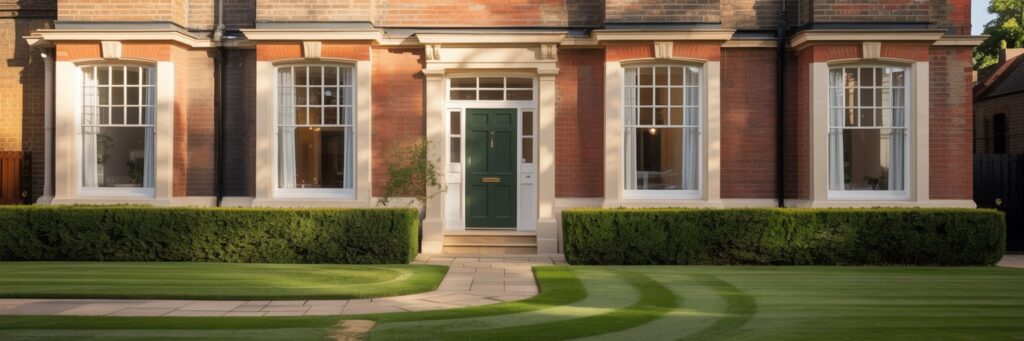
Victorian homes have a presence. Their tall ceilings, detailed masonry, and elegant proportions create a sense of grandeur that modern buildings rarely match. But much of that character is carried—quietly, yet unmistakably—by the windows.
Original sash windows in Victorian properties were designed not only for light and ventilation but to complement the home’s architectural language. Over time, however, these timber frames begin to suffer. Draughts creep in. Rattles echo in the evening wind. Paint flakes. Sashes stick. And with rising energy bills and changing building regulations, many owners find themselves asking:
What are the best replacement windows for a Victorian home in the UK?
It’s not a question of style alone. The wrong window choice can disrupt the balance of a facade, lower the value of the property, or even risk planning rejection in conservation areas. At the same time, the right system can enhance both the beauty and comfort of the home—delivering thermal improvements, acoustic insulation, and decades of low-maintenance performance.
This guide explores the window systems, materials, and design choices that work best with Victorian architecture. Whether you’re renovating a detached villa, an Oxford townhouse, or a terraced home in a conservation zone, you’ll discover how to preserve period charm without compromising on modern expectations.
🏛️ What Makes a Window ‘Victorian’? Design Features to Recognise
Victorian architecture spans a rich era—from early Gothic Revival to the refined symmetry of late 19th-century townhouses. Yet across styles and regions, certain window characteristics appear again and again. Recognising them is key to making confident, conservation-aware replacement choices.
Here are the most common features that define Victorian windows:
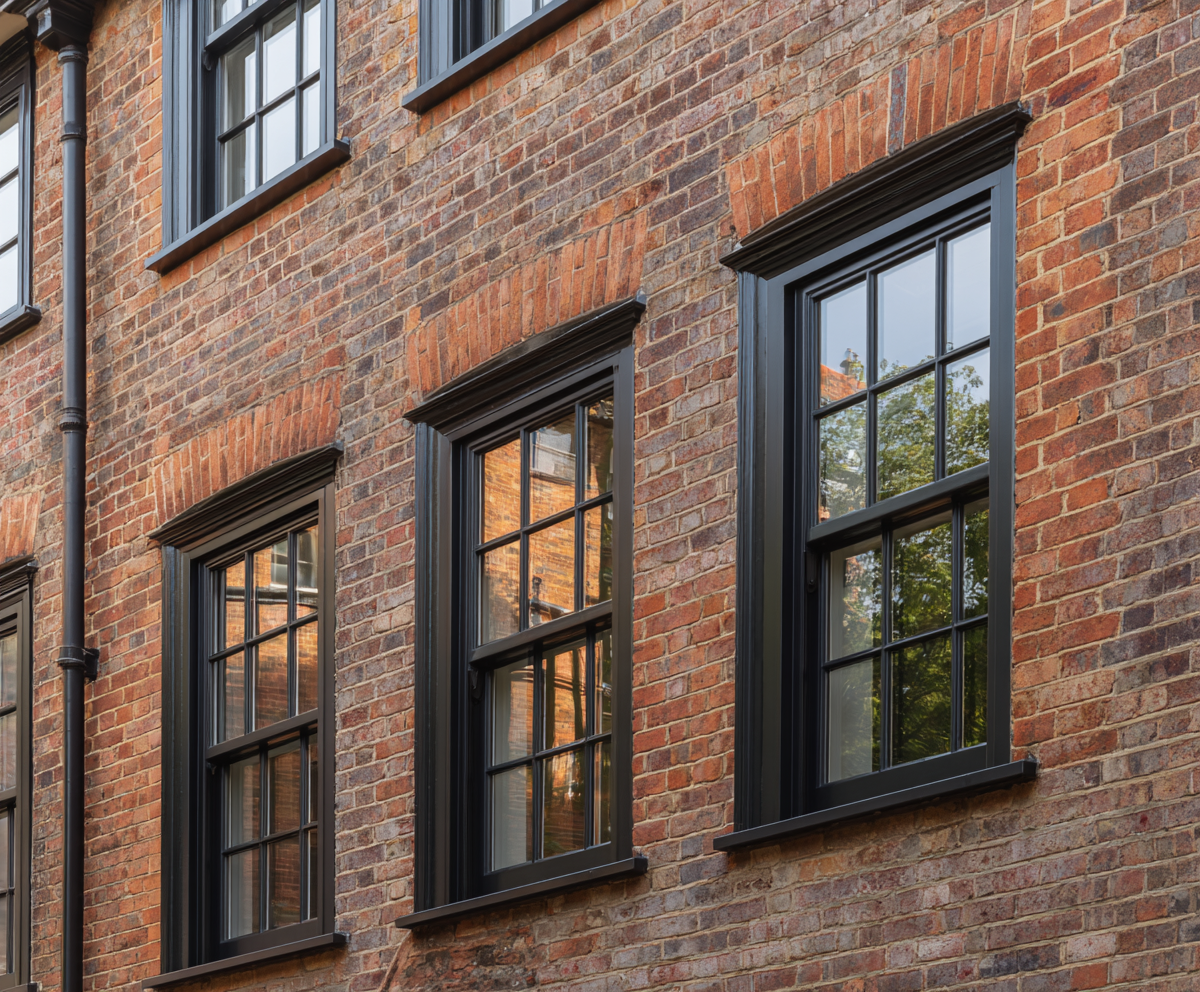
🪟 1. Vertical Sliding Sash Windows
By far the most iconic. Typically featuring:
- Two movable panels (sashes) that slide vertically
- Fine glazing bars dividing the panes (often 1-over-1 or 2-over-2)
- Slim meeting rails and deep reveals
- Timber frames set back into masonry, sometimes with stone lintels
🌀 2. Ornamental Horn Details
To accommodate heavier glass, later Victorian sashes often included horns—decorative projections at the base of the upper sash. These subtle curves are a hallmark of the period and are often required by planners in conservation areas.
🏰 3. Arched or Bay Window Configurations
Victorian homes frequently feature:
- Segmental arch tops on ground-floor sashes
- Three-part bay windows, projecting at the front of terraces or villas
- Side and rear extensions with slightly simpler sash designs
🌧️ 4. Single Glazing with Putty Lines
Original windows were single glazed, often with handmade glass that shimmered slightly in natural light. Putty lines secured the glass in place—something modern replicas must convincingly mimic using internal beading or applied finishes.
🎨 5. Colour & Finish
Original frames were typically painted white or cream, though dark greens and greys were also seen toward the end of the Victorian period. Today, conservation officers often prefer low-sheen, heritage-grade finishes that avoid the plasticky reflectivity of standard uPVC.
Understanding these design cues isn’t about nostalgia—it’s about integrity. When modern systems replicate them properly, they don’t just satisfy planners—they make the home feel right.
📊 Criteria for Choosing the Right Victorian-Compatible Window
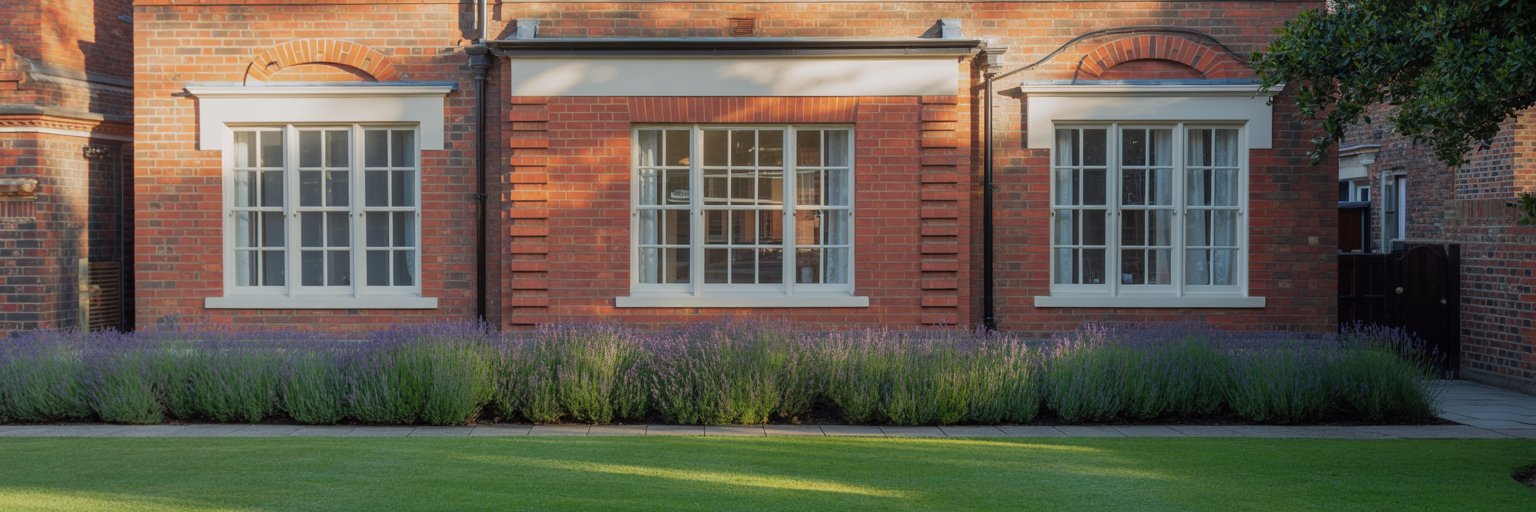
When searching for the best windows for a Victorian home, the word itself can be misleading. Best for what? Appearance? Performance? Planning approval? Cost?
The truth is, in period properties, “best” means balance. It’s about finding the sweet spot where heritage authenticity meets modern performance—without compromising either.
Here are the key factors to consider:
✔️ 1. Visual Authenticity
The window should look right—at a glance, and under scrutiny. That means:
- Slim sightlines that echo original timber proportions
- True astragal bars (not just surface-applied)
- Replicated horn shapes, putty-line detailing, and deep reveals
- Finishes that mimic painted timber, not plastic
Many modern sash systems fall short by appearing bulky or oversimplified. Planners—and neighbours—notice.
🧊 2. Comfort + Thermal Performance
Victorian windows were never designed with insulation in mind. Today, however, options like warm-edge glazing, low-e coatings, and acoustic lamination can dramatically improve:
- Heat retention
- Noise reduction
- Condensation resistance
Even in conservation zones, these features can be discreetly integrated into approved designs.
🛠️ 3. Planning Friendliness
In listed buildings or conservation areas, the system must be acceptable to planning officers. That means:
- Detailed drawings and product specifications available for submission
- Previous planning approvals using the same system (a strong advantage)
- Availability of non-intrusive trickle vents or vent-free options
Many suppliers offer “heritage-style” windows. Few offer heritage-compliant systems.
🔁 4. Durability and Maintenance
For homes with high exposure to weather—or where access is difficult (e.g. upper bays)—low-maintenance alternatives to timber may be the practical choice.
Look for:
- Timber-alternative uPVC with foiled woodgrain finishes
- Engineered timber with micro-porous coatings
- Heritage aluminium with thermal breaks and slim profiles
The best window isn’t just the one that pleases the eye—it’s the one that passes planning, performs beautifully, and lasts for decades with grace.
🔍 Comparing the Top Window Systems for Victorian Properties (UK Brands)
Once you know what to look for, the next step is selecting a system that delivers on every front: visual authenticity, planning compliance, comfort, and longevity. Fortunately, several UK-based systems have been developed specifically to serve period homes—each with its own strengths.
Here’s a comparison of some of the most respected options for Victorian window replacement:
🪟 Bygone Symphony (Timber-Alternative Sash)
A benchmark system designed specifically for listed and conservation properties.
- Deep bottom rails, run-through horns, concealed trickle vents
- Foiled uPVC with woodgrain finish and welded corners that mimic timber
- Extremely slim sightlines and authentic bar configurations
- Used in many successful Listed Building Consent applications
✅ Ideal for: Principal elevations, high-planning-sensitivity zones
🌿 Evolution Storm2 / Flush Timber-Alternative
Combines flush sash design with deep outer frame—great for side or rear elevations.
- High-spec timber-alternative uPVC, multiple finish options
- Integrated detailing to replicate 19th-century joinery
- Slightly bolder sightlines than Bygone, but still conservation-aware
✅ Ideal for: Less visible elevations, or where ultra-low maintenance is key
🪞 Aluco Heritage47 (Slimline Aluminium)
Inspired by steel and classic period glazing, with sharp lines and narrow frames.
- Slim thermally broken aluminium profile
- Excellent for arched openings, internal partitions, or kitchen extensions
- Available with bespoke bars and putty-line effects
✅ Ideal for: Side returns, rear elevations, kitchen renovations
🪵 Internorm HF410 / HV450 (Timber-Aluminium Hybrid)
Premium triple-glazed systems with timber internal faces and aluminium exteriors.
- Contemporary aesthetic with high U-values
- Better suited for mixed-period renovations where modern and old intersect
- May be too modern for front-facing Victorian elevations
✅ Ideal for: Architect-led refurbishments, back extensions, or high-spec side returns
📊 Quick Comparison Table:
| Brand / System | Frame Material | Visual Authenticity | U-Value (approx) | Conservation Approval History |
|---|---|---|---|---|
| Bygone Symphony | Timber-alternative uPVC | ★★★★★ | 1.3–1.4 W/m²K | Extensive |
| Evolution Storm2 | Timber-alternative uPVC | ★★★★☆ | 1.4 W/m²K | Moderate |
| Aluco Heritage47 | Aluminium | ★★★★☆ | 1.4–1.6 W/m²K | Good (rear/side use) |
| Internorm HF410 | Timber/Aluminium | ★★★☆☆ | 0.9–1.1 W/m²K | Rare (modern extensions) |
Remember: No system is universally best. The right solution depends on your home’s elevation, planning status, and personal vision.
🧪 Best Materials for Victorian Window Replacements
Once you’ve identified the right style and system, the next decision is what it should be made of. Material choice has a direct impact on planning outcomes, day-to-day comfort, and the long-term look and feel of your home.
Here’s how the main options compare when it comes to Victorian window replacement:
🪵 1. Engineered Timber
The most authentic option—still preferred by many planners and conservation officers, especially on principal elevations.
- Can be painted in any heritage tone
- Delivers unrivalled period accuracy in joinery and finish
- Requires regular care (painting, inspection), especially on exposed elevations
- Susceptible to rot if poorly maintained
✅ Best for: Grade II listed homes, purist restorations, high-visibility elevations
🛠️ Requires: Periodic upkeep to protect investment
🌿 2. Timber-Alternative uPVC (Foiled)
A transformative solution over the last decade. When well-made, these replicate timber to an extraordinary degree—without the maintenance.
- Deep bottom rails, run-through horns, woodgrain texture
- Available in white, cream, heritage grey, Chartwell green
- Planners increasingly approve when visual detail is strong
- Cannot be repainted, so initial colour choice is important
✅ Best for: Conservation areas, low-maintenance owners, upper-floor elevations
🎯 Planners often request product samples or sightline drawings
🪞 3. Heritage Aluminium
Slim, sharp, and strong—ideal for modern interventions behind historic facades.
- Typically used in steel-look or industrial-style rear extensions
- High performance, powder-coated finishes
- Less convincing as a sash replica unless fully detailed
- Can be paired with timber for hybrid projects
✅ Best for: Kitchen extensions, side returns, internal partitions
📐 Usually avoided on street-facing sash windows unless in modern context
🌬️ Glazing Technologies Across All Materials
Regardless of frame type, modern glazing options can deliver warmth and quiet without altering appearance:
- Low-e coatings reflect interior heat back into the home
- Warm-edge spacers reduce condensation risk
- Gas-filled double glazing enhances thermal retention
- Laminated acoustic glass significantly reduces urban noise
True heritage windows don’t just look the part—they feel it. Solid. Quiet. Timeless. And properly built to last another century.
🛠️ What to Avoid: Common Pitfalls in Victorian Window Projects
Choosing the wrong window for a Victorian home doesn’t just affect the way it looks—it can impact comfort, property value, and even lead to planning delays or refusals. Sadly, many homes have lost their period charm through rushed decisions or misguided upgrades.
Here are some of the most common mistakes to avoid:
🚫 1. Chunky, Modern uPVC Frames
These often have thick sightlines, welded corners, and shiny finishes that immediately betray their mass-produced origins. Even if painted or foiled, they rarely satisfy conservation standards.
Solution: Choose slimline, woodgrain foiled systems designed for heritage projects—like Bygone or Evolution.
🚫 2. Flat, Stuck-On Glazing Bars
Cheap faux-sash windows often apply flat strips to mimic traditional glazing bars. In Victorian homes, these look visibly incorrect and are unlikely to pass planning scrutiny.
Solution: Ensure your chosen system uses true astragal bars with internal spacers and bonded glass where needed.
🚫 3. Replacing Sash Windows with Casements
Swapping vertical sliding sashes for side-hinged casements disrupts the entire rhythm of a Victorian facade. This change is rarely accepted in listed or conservation areas.
Solution: Retain sash functionality where it was originally present—even if replacing with timber-alternative materials.
🚫 4. Overtly Visible Trickle Vents
While sometimes required by building regulations, front-facing trickle vents can ruin the symmetry of a sash window. Many are placed prominently above the frame, catching the eye and detracting from authenticity.
Solution: Use systems with concealed or vent-free options—often preferred by planners in heritage contexts.
🚫 5. Ignoring Planning Advice
Whether listed or in a conservation area, carrying out work without appropriate consent can lead to formal enforcement. Planners are not anti-progress—but they require process and respect for detail.
Solution: Always consult with professionals who specialise in conservation-grade products and can support your application with drawings, samples, and specification sheets.
Avoiding these pitfalls doesn’t mean compromising on comfort. With the right partner, you can replace your Victorian windows in a way that honours history while enhancing your everyday life.
🧾 Planning Considerations for Victorian Window Upgrades (If Listed or in a Conservation Area)
Not every Victorian home requires planning consent for window replacement—but many do. Whether your property is listed or located within a conservation area, understanding the rules can help you avoid delays, rejections, or costly remedial work.
🏛️ If Your Home Is Listed
If your Victorian property is Grade I, Grade II*, or Grade II listed, you’ll need Listed Building Consent (LBC) before replacing windows—even on a like-for-like basis.
Planners will assess:
- Whether the proposed windows preserve or enhance the building’s historic character
- The accuracy of horn detailing, sash depth, glazing bar placement, and material texture
- Whether the replacement offers a legitimate performance upgrade without visual compromise
Without LBC, work is considered unauthorised and may result in fines or enforcement notices—even years later.
🧭 If You’re in a Conservation Area
Even if your home isn’t listed, many Victorian homes sit within designated Conservation Areas. In these zones, planners are focused on maintaining the character of the street scene.
You may need planning permission if:
- You’re replacing original sash windows with a different style
- You’re changing frame material (e.g. timber to uPVC or aluminium)
- Your new design alters sightlines, bay window structures, or horn profiles
If in doubt, always consult your Local Planning Authority (LPA) or a heritage window specialist before proceeding.
📐 Supporting a Successful Application
To help your application succeed, your chosen glazing partner should provide:
- Detailed CAD drawings showing sash dimensions, bar layout, and vent concealment
- Product specification sheets highlighting material finishes and thermal performance
- Lifestyle imagery to visualise the installed system in a similar home
- Reference projects where the same system was approved by other LPAs
Internal link: Can You Replace Windows in a Listed Building? Full Planning Guide →
Choosing windows for a Victorian home isn’t just about taste—it’s about tact. The right product, supported by the right documentation, can make the journey from planning to installation seamless.
🪟 Experience the Right Windows in Person: Visit Our Banbury Showroom
For Victorian homeowners, the decision to replace original windows isn’t just practical—it’s personal. It’s about choosing something that respects your home’s past while improving your present.
That decision becomes easier when you can see, touch, and compare the options for yourself.
At our Banbury showroom, we’ve created a dedicated heritage environment where you can:
- Lift and operate full-size sash windows from Bygone, Evolution, and Aluco
- Compare horn shapes, glazing bars, and woodgrain foils up close
- Explore Bay window configurations suitable for Victorian terraces and villas
- Discuss planning considerations with advisors familiar with listed and conservation area approvals
- Request spec sheets and visuals for your architect or planner
Whether you’re at the start of a project or already reviewing quotes, the showroom offers clarity you simply can’t get from a screen or brochure.
There’s no obligation, and no need to book ahead.
📍 Cherwell Windows – Banbury Showroom
Unit G3 Marley Way, Banbury, Oxfordshire OX16 2RL
📞 Phone: 01295 270938
📧 Email: [email protected]
Heritage glazing isn’t a guess—it’s a craft. Let us help you get it right, the first time.